The Tidal Islands of Fleet Bay: History, Wildlife and Local Stories
Exploring the Islands of Fleet is just one of many wonderful things to do when visiting the coastline near Gatehouse of Fleet. The area is popular for coastal walks, wildlife watching, wild swimming and peaceful beach exploration along the Solway Firth.
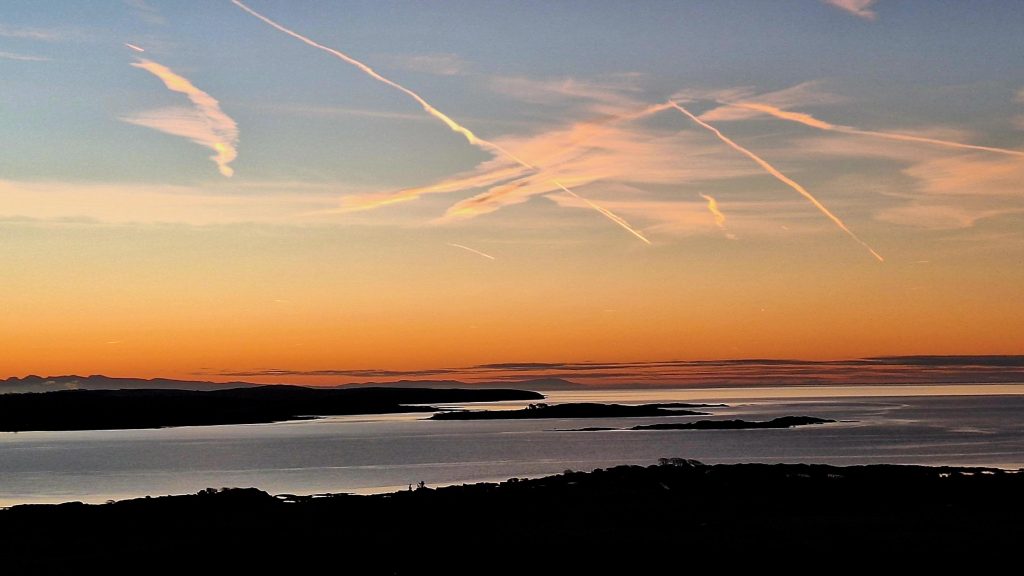
Just offshore from the coast near Gatehouse of Fleet and Carrick Beach lies a small group of tidal islands known as the Islands of Fleet.
Set within
Fleet Bay — part of
Wigtown Bay and the wider
Solway Firth — these quiet islands are a distinctive feature of the coastline and are often admired by guests staying at Isles of Fleet Retreat.
Two of the islands, Ardwall Isle and Barlocco Isle, are among the rare tidal islands that can sometimes be reached on foot from the mainland of Great Britain when conditions allow.
Each island has its own character, history and wildlife.
Knockbrex Hill Viewpoint
A wonderful place to view not only the Isles of Fleet but the surrounding coastline is Knockbrex Hill Viewpoint, near Carrick Shore.
From here you can enjoy 360° panoramic views across Fleet Bay and the Galloway coastline and landscape.
A series of panorama panels featuring paintings by local artist Ann Butler illustrate the landscape in four directions and across the four seasons, highlighting places of interest, field names, hills and examples of local wildlife.
Images of the panels are reproduced with kind permission of photographer Richard Ryall.
Safety
Visiting the Tidal Islands Safely
If you are exploring the shoreline or considering walking to one of the islands:
✔ Check tide times carefully
✔ Check weather forecasts
✔ Wear suitable footwear for mudflats and sand
✔ Avoid disturbing wildlife, particularly nesting birds in spring
✔ Take all litter home with you
Tides in the Solway Firth can move quickly and conditions can change rapidly.
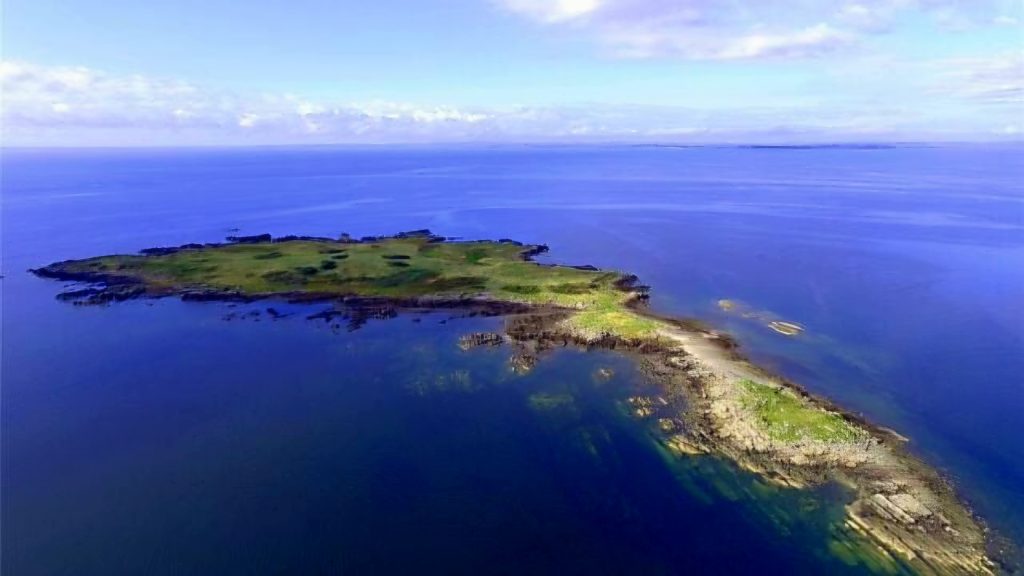
Ardwall Isle
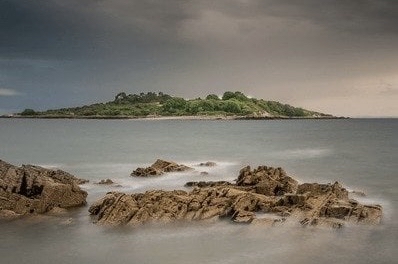
Ardwall Isle is the largest of the three islands, covering around 19 hectares.
Its name comes from the Gaelic Ard Bhaile, meaning “high town.”
Despite its quiet appearance today, the island shows signs of earlier activity. The remains of a small chapel and a cairn can still be found there, hinting at past use by coastal communities. Today the island appears peaceful and remote, but these traces suggest it once played a small role in the working coastal life of the Solway.
Just offshore stands a striking rock formation known locally as the Old Man of Fleet, adding to the island’s distinctive silhouette when viewed from the shore.
At low tide, Ardwall Isle can be reached on foot across the sands — though as with all tidal crossings, careful attention to tide times is essential.
Barlocco Isle
Barlocco Isle is slightly smaller but equally distinctive.
The island is characterised by three prominent rocky outcrops known as the Three Brethren, which are particularly visible when the tide is low.
A small pebble beach provides a natural landing place for boats, and at low tide the island can also be reached from the mainland across the sands from Carrick Beach.
In recent years Barlocco Isle attracted international attention when it was placed on the market, generating interest from potential buyers around the world.
However, like all of the Islands of Fleet, it lies within the Borgue Coast Site of Special Scientific Interest, meaning its natural environment is protected.
Murray’s Isles
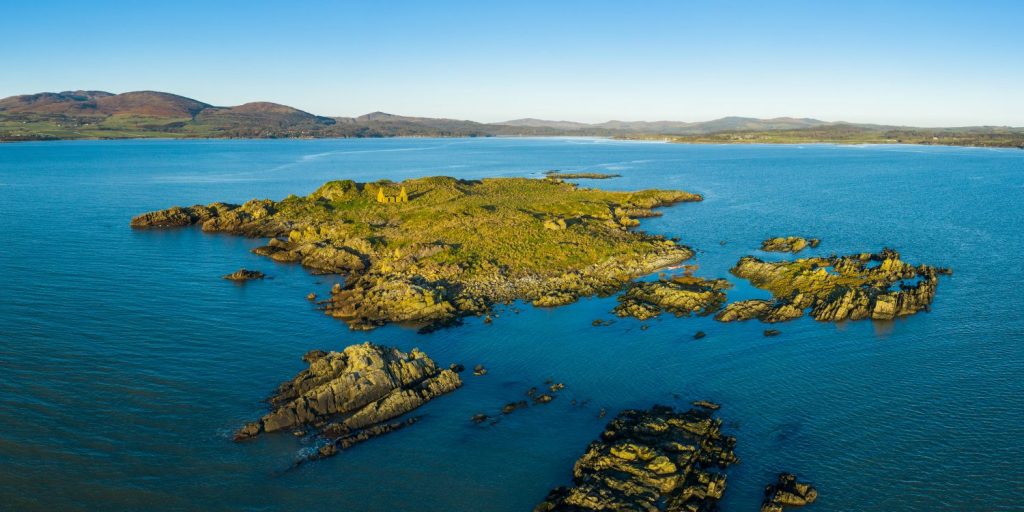
The Murray Isles
The Murray Isles are the smallest of the group and were gifted to the
National Trust for Scotland
by Mrs Murray Usher of Cally in 1991.
These rocky islets support breeding colonies of seabirds, including cormorants and gulls, and are an important part of the local coastal ecosystem.
Because of their ecological importance they are best admired from a distance, with excellent views from Carrick Shore on the mainland.
A Special Landscape
The Islands of Fleet sit within a wider coastal landscape that is internationally important for wildlife.
Large areas of the Solway Firth are designated as Sites of Special Scientific Interest and internationally important wetlands, supporting a rich variety of birdlife throughout the year.
In winter, species such as curlews, lapwings, barnacle geese and whooper swans can be seen in the surrounding estuaries and mudflats.
If you’re walking along the shoreline near Fleet Bay, you might also spot unusual shells such as the distinctive pelican’s foot shell, which lives in the mudflats of the Solway.
Experiencing the Islands from Isles of Fleet Retreat
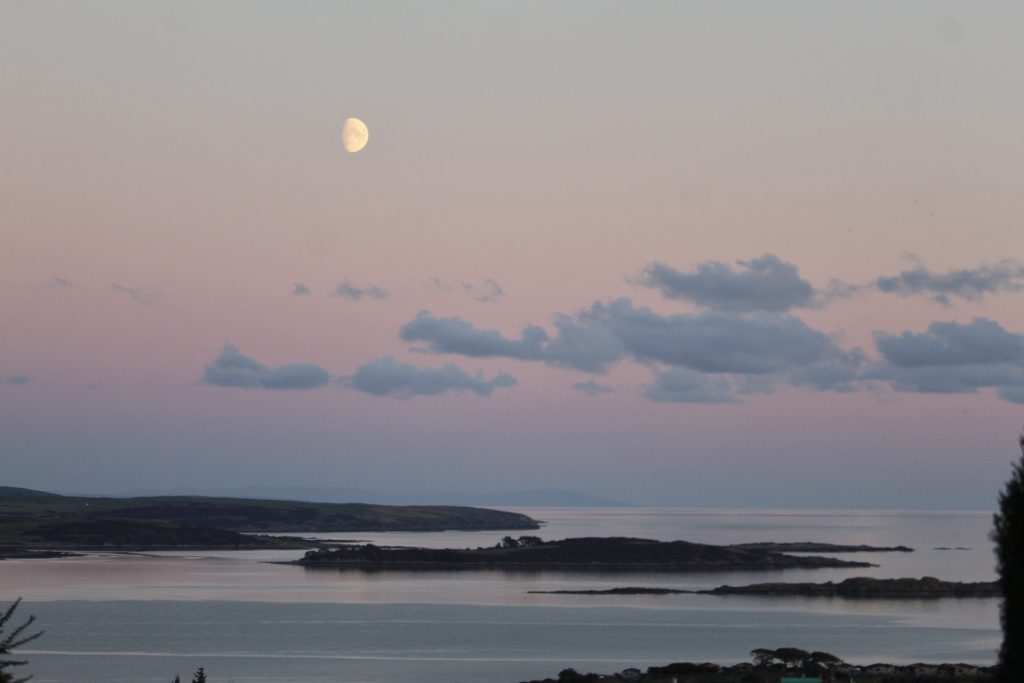
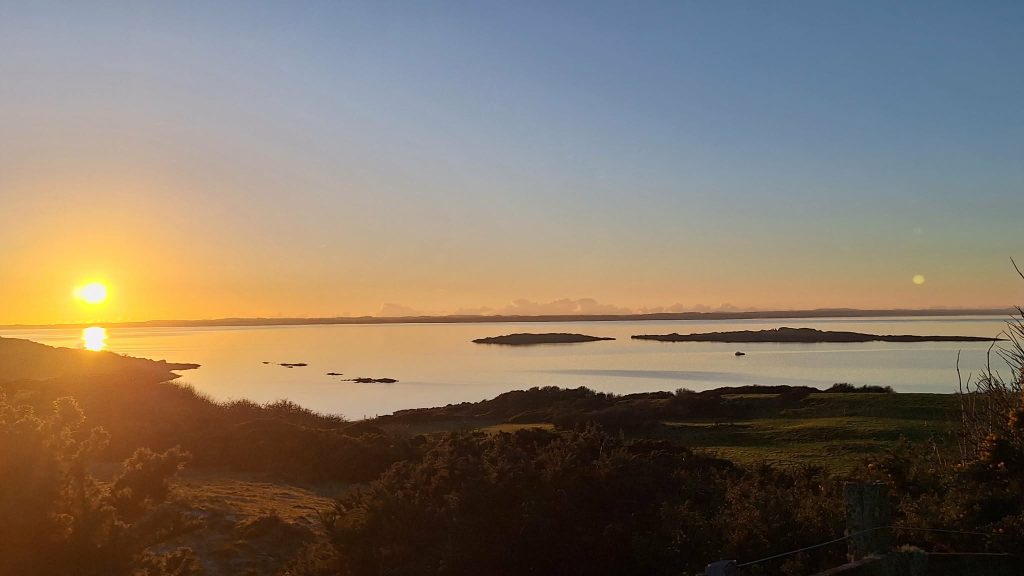
From the lodges at Isles of Fleet Retreat, guests enjoy beautiful views across Fleet Bay towards these tidal islands.
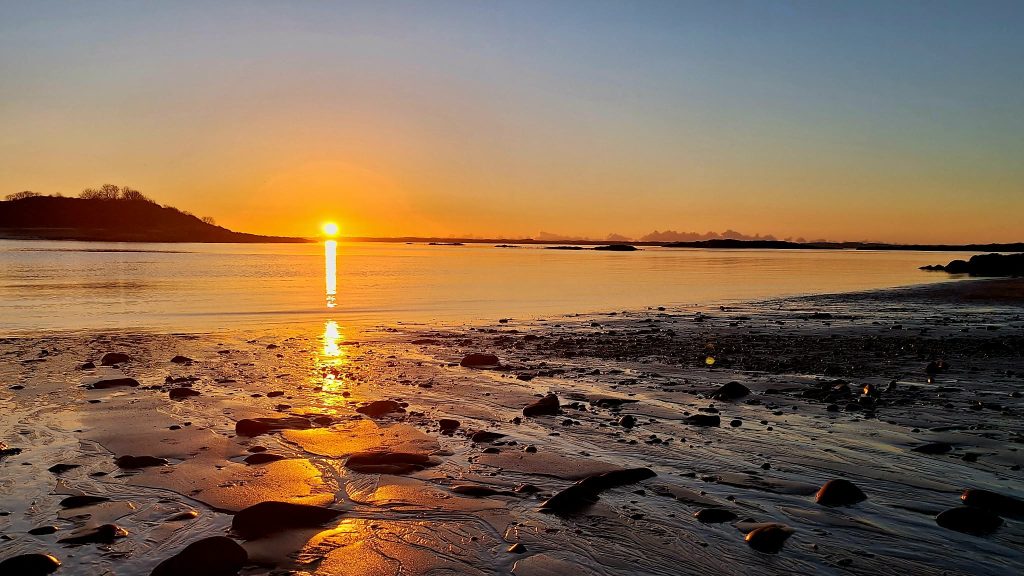
Whether seen glowing in the light of sunrise, framed by wide blue skies, or silhouetted against a dramatic sunset, the Islands of Fleet are a constant reminder of the wild beauty of this stretch of the Galloway coast.
Guests staying at Isles of Fleet Retreat are perfectly placed to explore the shoreline walks and ever-changing views across Fleet Bay.
Local Stories and Place Names
Like much of the coastline around Fleet Bay, the Islands of Fleet carry echoes of local history and folklore.
Ardwall Isle, the largest of the islands, is also known locally as Larry’s Isle. The name is linked to an Irish fisherman and shepherd called Lawrence O’Hagan, who is believed to have lived on the island around 150 years ago.
Known locally as Larry Higgins, he lived a solitary life on the island, fishing and tending sheep. Local stories suggest he may also have supplemented his income through smuggling — a not uncommon activity along the Solway coast in earlier centuries.
Local stories tell of Larry discovering valuable jewellery on the body of a shipwrecked captain’s wife washed ashore. Although he was known as a skilled boatman, his life ended tragically when he drowned while returning to the island in June 1867.
Today the island is quiet and uninhabited, but these stories add another layer of intrigue to the landscape.
Garvellan Rocks
Another fascinating feature of Fleet Bay is the group of rocky outcrops known as the Garvellan Rocks.
Their name comes from the Gaelic Garbh eilean, meaning “rough island.”
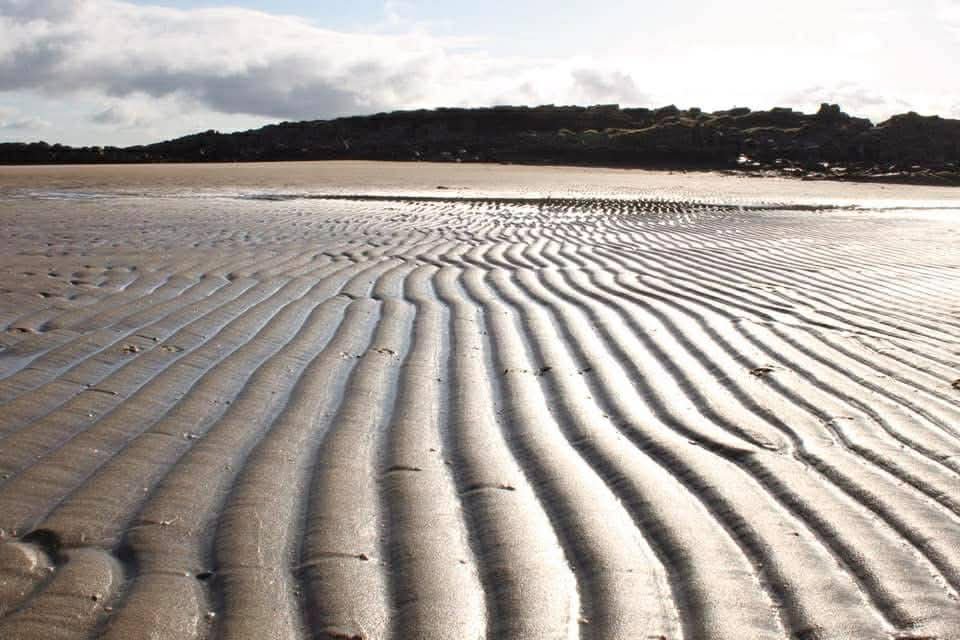
These small rugged islets sit just offshore and create an interesting coastal formation. Some are tidal islands — surrounded by water at high tide — while one is connected to the mainland by a narrow strip of sand except during the highest tides.
This type of natural formation is known as a tombolo, where waves deposit sand to create a natural causeway linking an island to the mainland.
It is one of many small but fascinating geological features that make the Solway coastline such a dynamic and ever-changing landscape.
Garvellan Rocks can be easily accessed via Mossyard Beach at low tide.
Further Reading
This article draws on local coastal history and information from the excellent guide:
Tide Islands and Shifting Sands – Solway Firth Partnership. Scotland’s Southern Coast – Where every name tells a story
Well worth a read!